Share the post "The first Estonian-Russian student seminar"
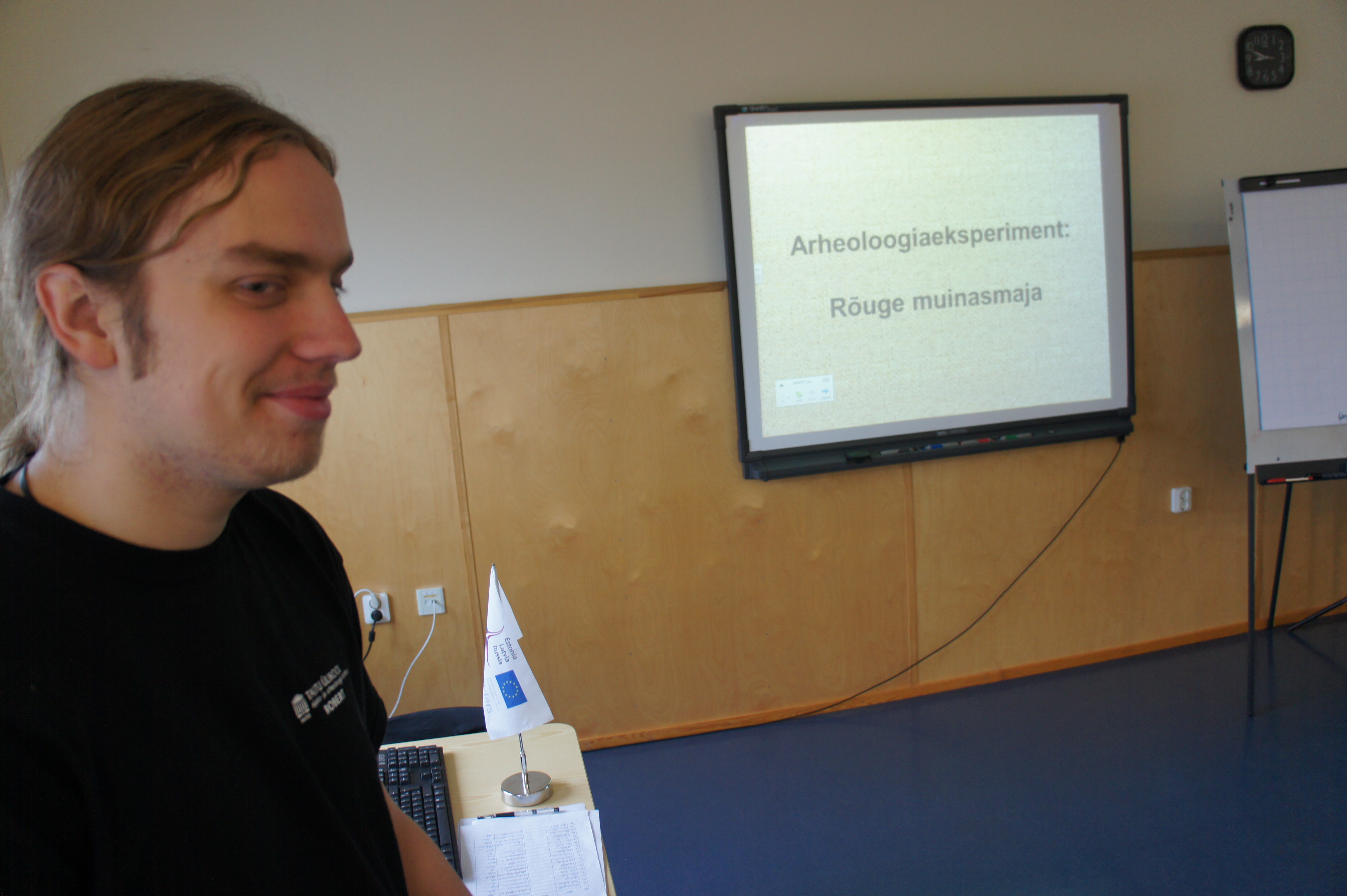
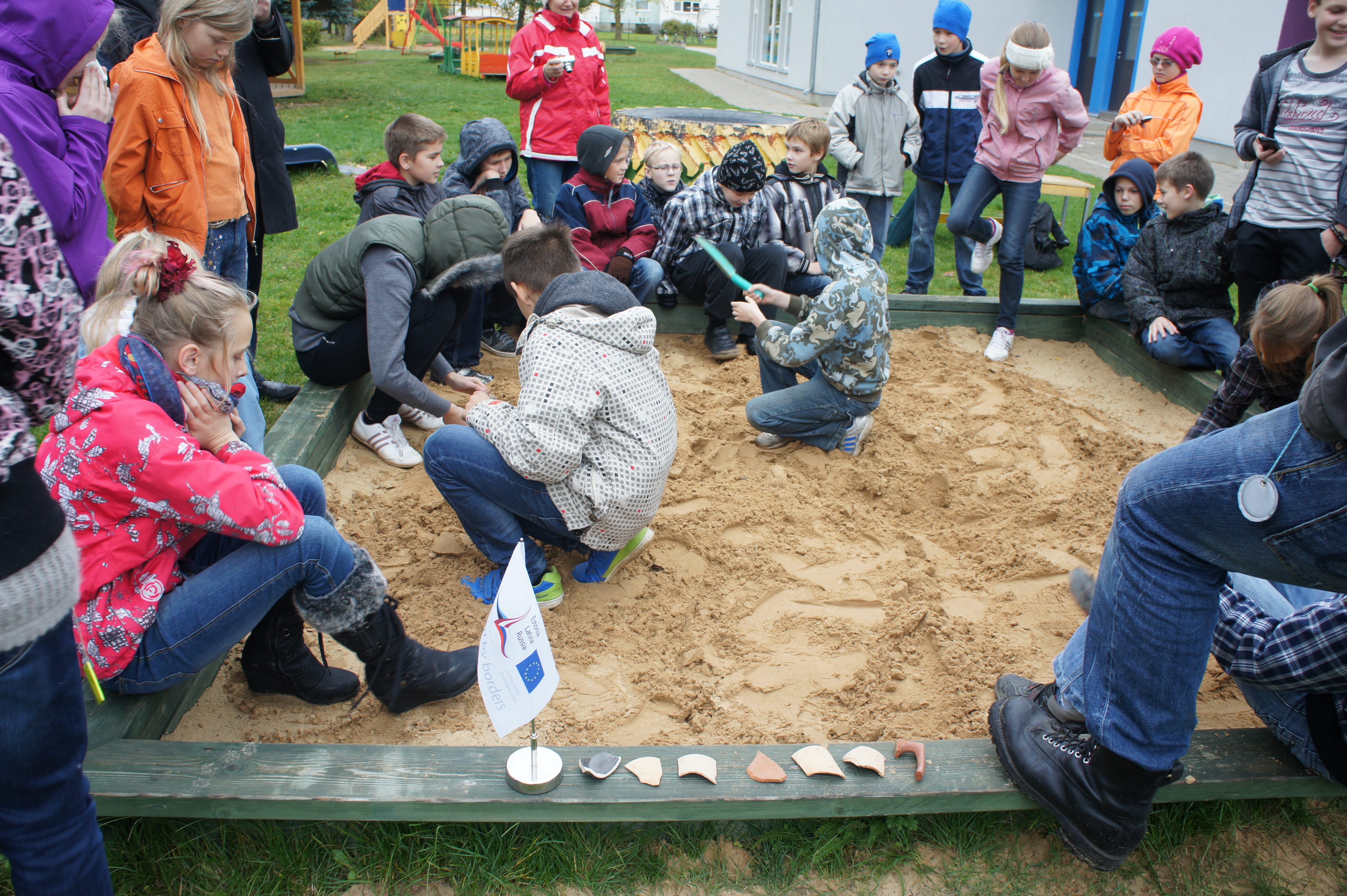
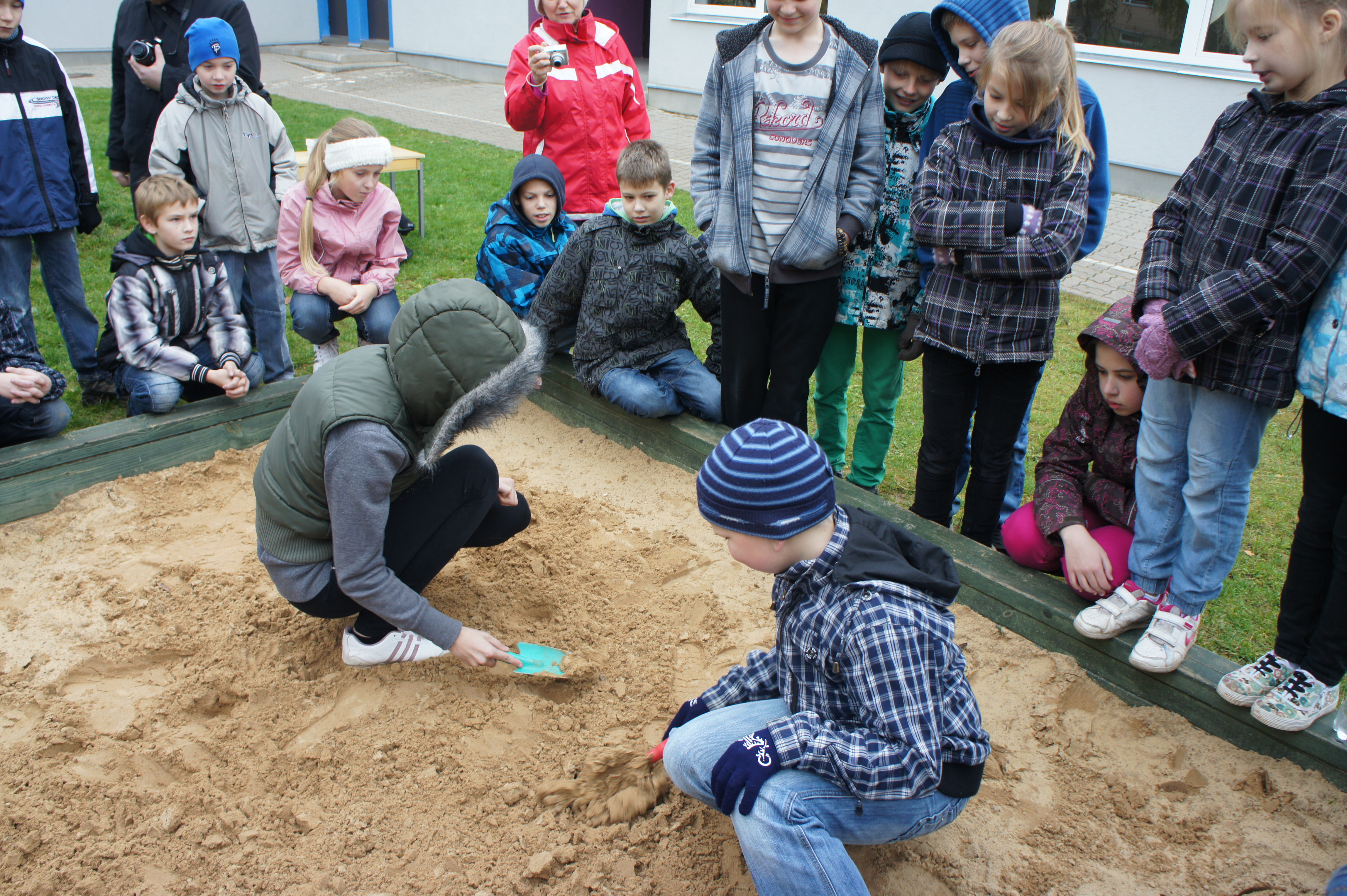
The first Estonian-Russian student seminar, organized in the frameworks of the AAC project by Pskov Archaeological Center, took place in Pskov on October 4-6, 2012. The programme of the event with participants from the universities of Tartu, Pskov, St. Petersburg and Tallinn included 17 papers: seven from Russia and ten from Estonia. The students’ and young researchers’ presentations concerned their current research topics. The aims of the project and results of the seminar were introduced to the media during the press-conference that followed the meeting.
On the third day archaeologist Boris Harlashov showed to the guests archaeological monuments of Pskov region. The excursion visited the archaeological complex of Vybuty, long and round barrows, zhalnik graves, medieval stone crosses, Borohnovo hill fort and the archaeological complex and museum of Staryi Izborsk. The next seminar will take place in a year in Estonia.
Presenters & Presentations of the Pskov Seminar:
Regional & Landscape archaeology
Борис Харлашов: Археологические памятники в приграничной зоне России, Эстонии и Латвии (росиийская территория). Типология и хронология.
Krista Karro: Iron Age cultural landscape in Kodavere parish (on the Western coast of Lake Peipsi)
Д. Мурзенков, И. Федоров: Recent archaeological research in the western part of the plateau Izhora (2010-2011).
Д. Донцова: Результаты археологической экскурсии в нижнем течении р.Великой
Material culture & its meanings
Jekaterina Schogoleva: Бердыши с археологическим контекстом в фондах Эстонских музеев.
Антон Романовский: Стеклянные бусы по материалам древнерусских могильников Пскова
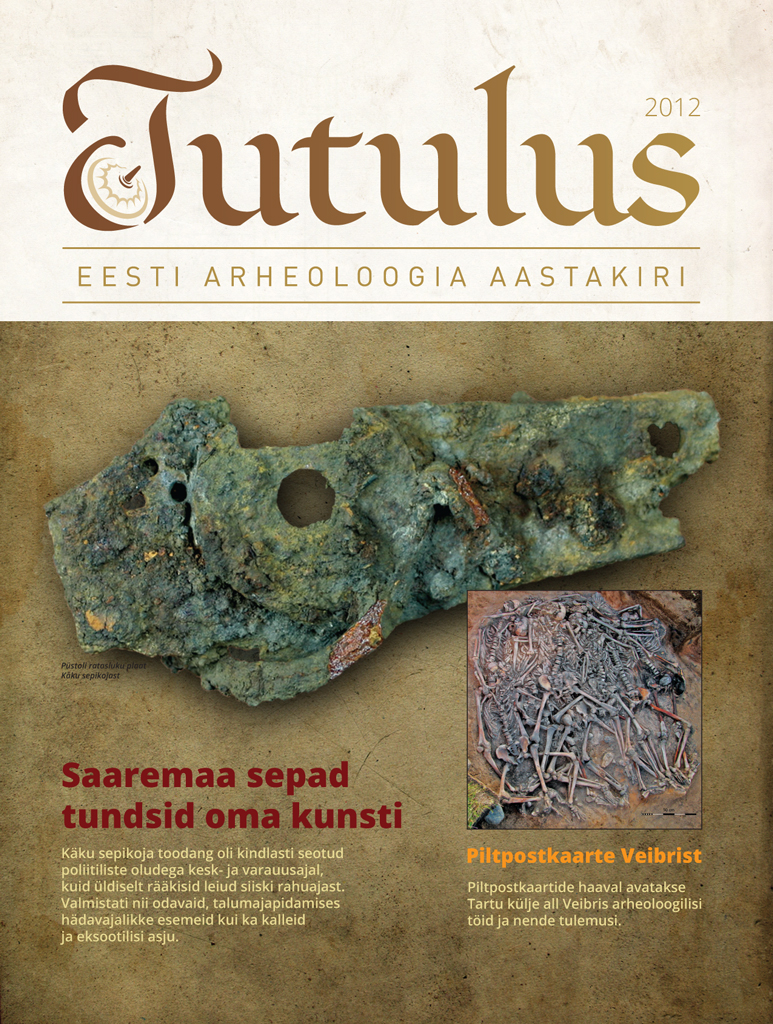
Ragnar Saage: The medieval smithy site of Käku (Island of Saaremaa) – foreign contacts and good craftsmanship
Keiti Randoja: Children’s possible social age groups by the example of Late Iron Age cemeteries of Kukruse and Pada (Eastern Estonia)
А. Хлюстова: Женский убор жальничных и грунтовых могильников Восточного Причудья: попытка сравнения.
Tuuli Kurisoo: The Meaning of Cross-Shaped Pendants of Inhumation Burials in the Late Iron Age in Estonia
Maarja Olli: Ornaments and Ornamentation during Roman Iron Age in Estonia: Symbols and their Meanings
Methods & Interpretations
В. Богданова: Использование компьютерных методов обработки массовых категорий находок (на примере селища у д.Залахтовье)
Maria Smirnova: The use of some basic concepts of The Tartu-Moscow School of Semiotics in interpretations of Archaeological material
Kristo Siig: A game of “King of the Hill”? About the various explanations to the abandoning of hill forts and building new ones in 11th century Estonia
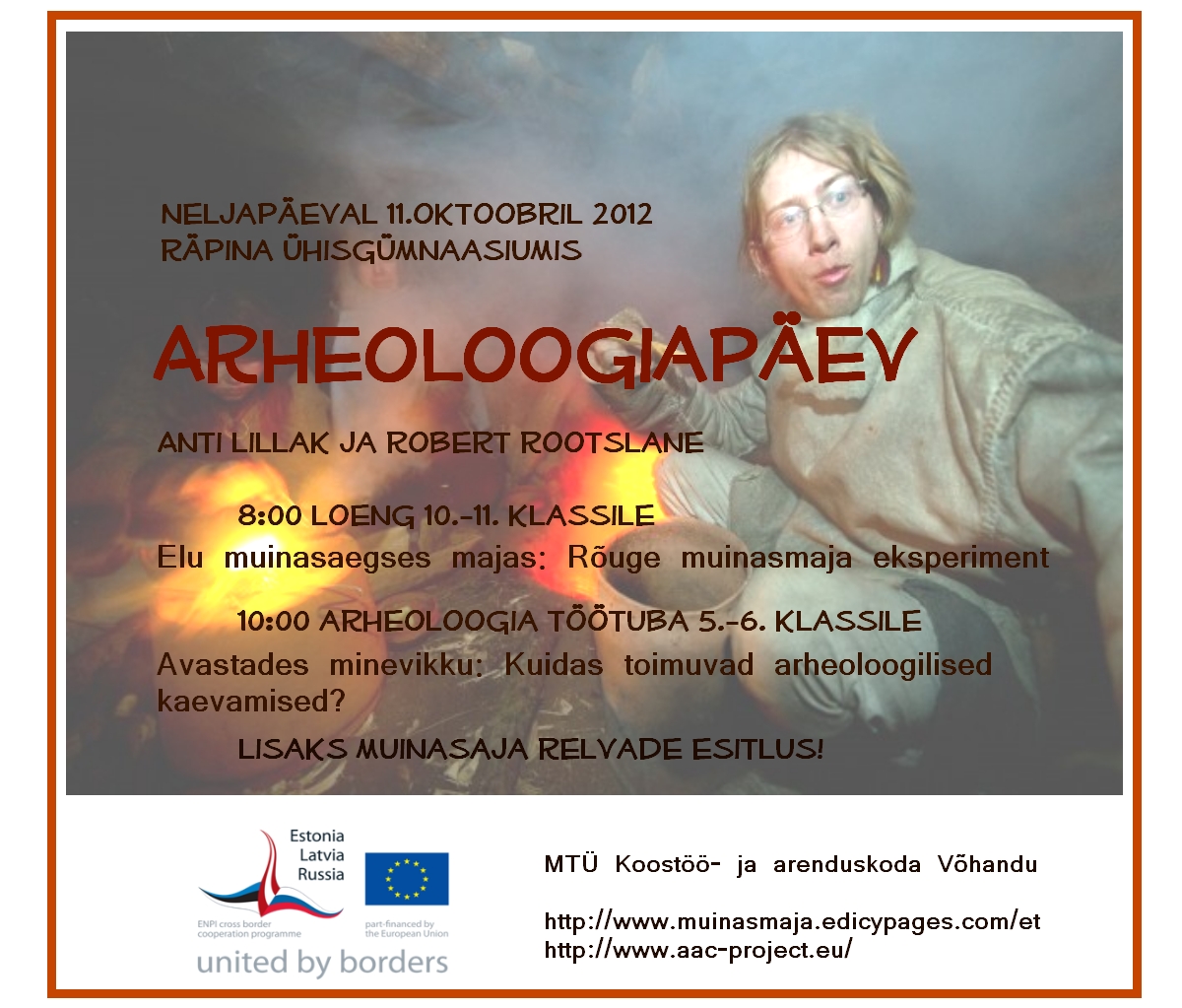
Anti Lillak: Hill forts as the places of memory: The example of South-Eastern Estonia
Pikne Kama: Archaeology and Estonian runic songs about burials
Share the post "The first Estonian-Russian student seminar"