Share the post "Press release"
A new archaeology and heritage protection project started on the 1st of May under the Estonia-Latvia-Russia cross border cooperation Programme within European Neighborhood and Partnership instrument 2007-2013.
The project focuses on the preservation of archaeological heritage in the cross-border region, on developing cross-border cooperation in this field and on raising awareness of people about cultural / archaeological heritage.
The project „Archaeology, authority & community: cooperation to protect archaeological heritage“ joins together 9 organizations from 3 countries and is led by the University of Tartu (Estonia). The project, with the total budget over 1, 7 million euros, will last until the end of 2014.
The main target groups are specialists in archaeology working at different institutions of the Programme area, the representatives of the public authorities (both local and state level), and the local communities. Many of the project activities are also oriented to the general public.
The partners will organize similar activities in 3 countries. The main activities include archaeological field inventories of border areas of all countries by local and international teams, and rescue excavations of damaged and threatened sites. Attention is paid to the improvement of preservation conditions and conservation of finds, and exhibiting archaeological materials in respective institutions to the public.
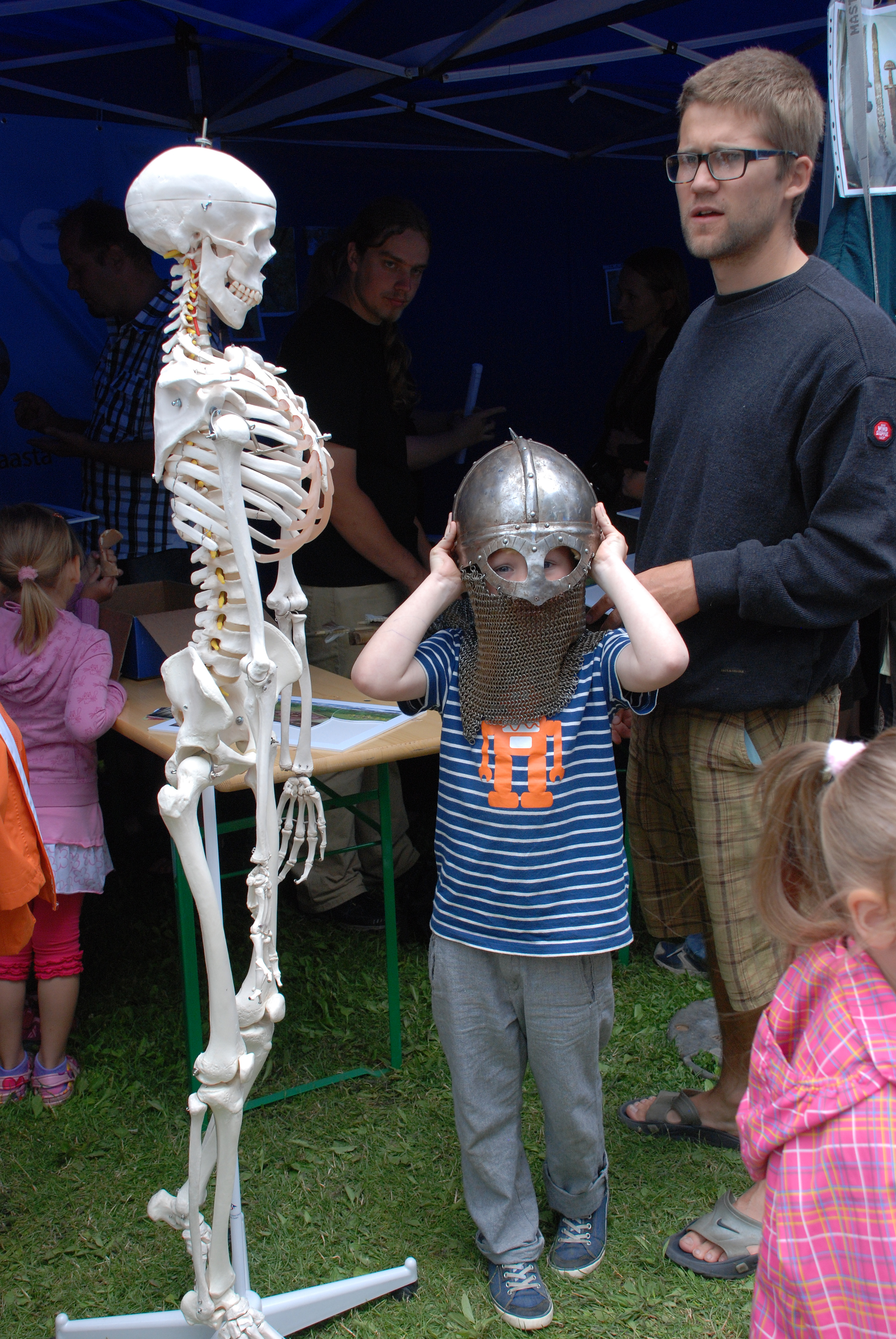
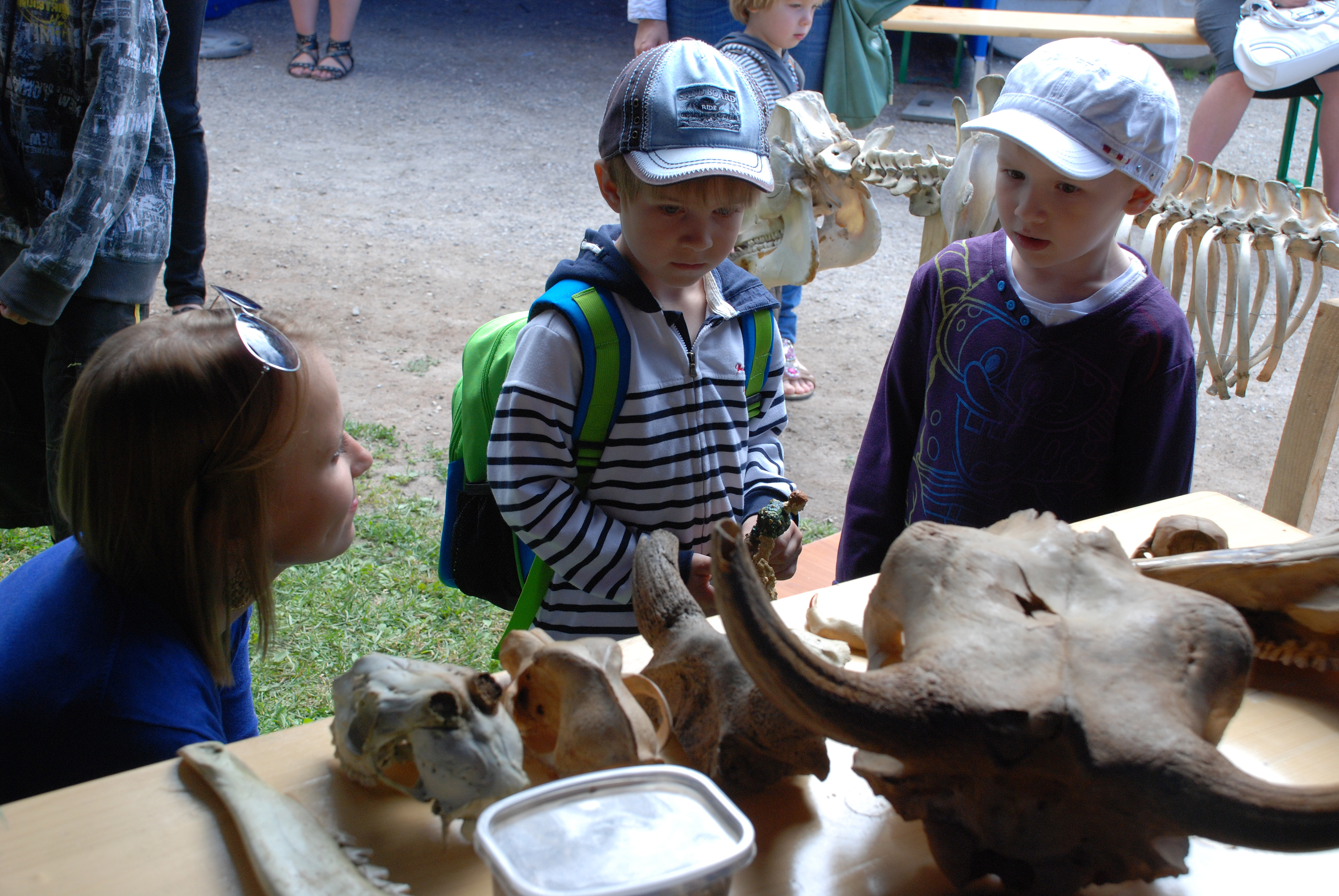
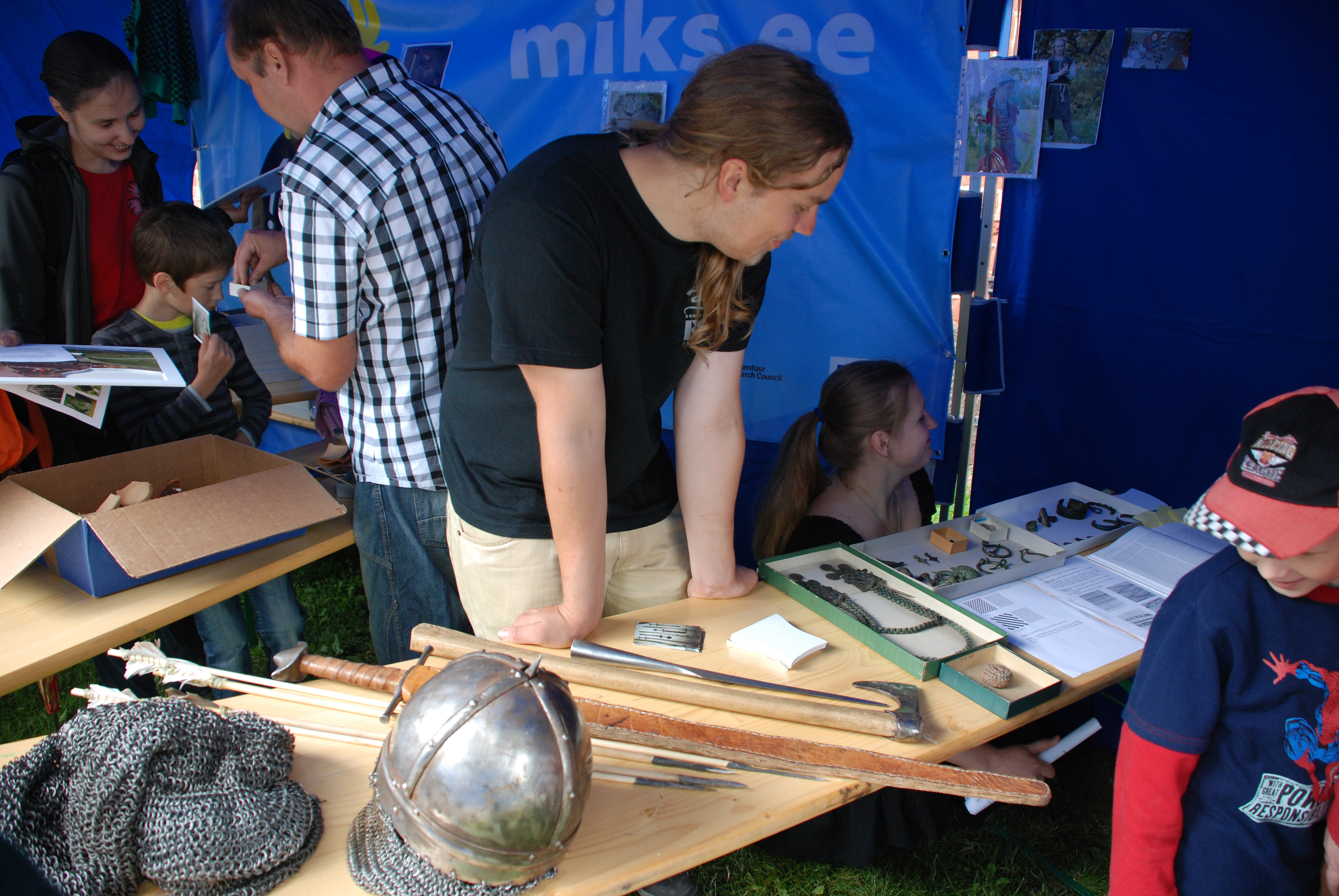
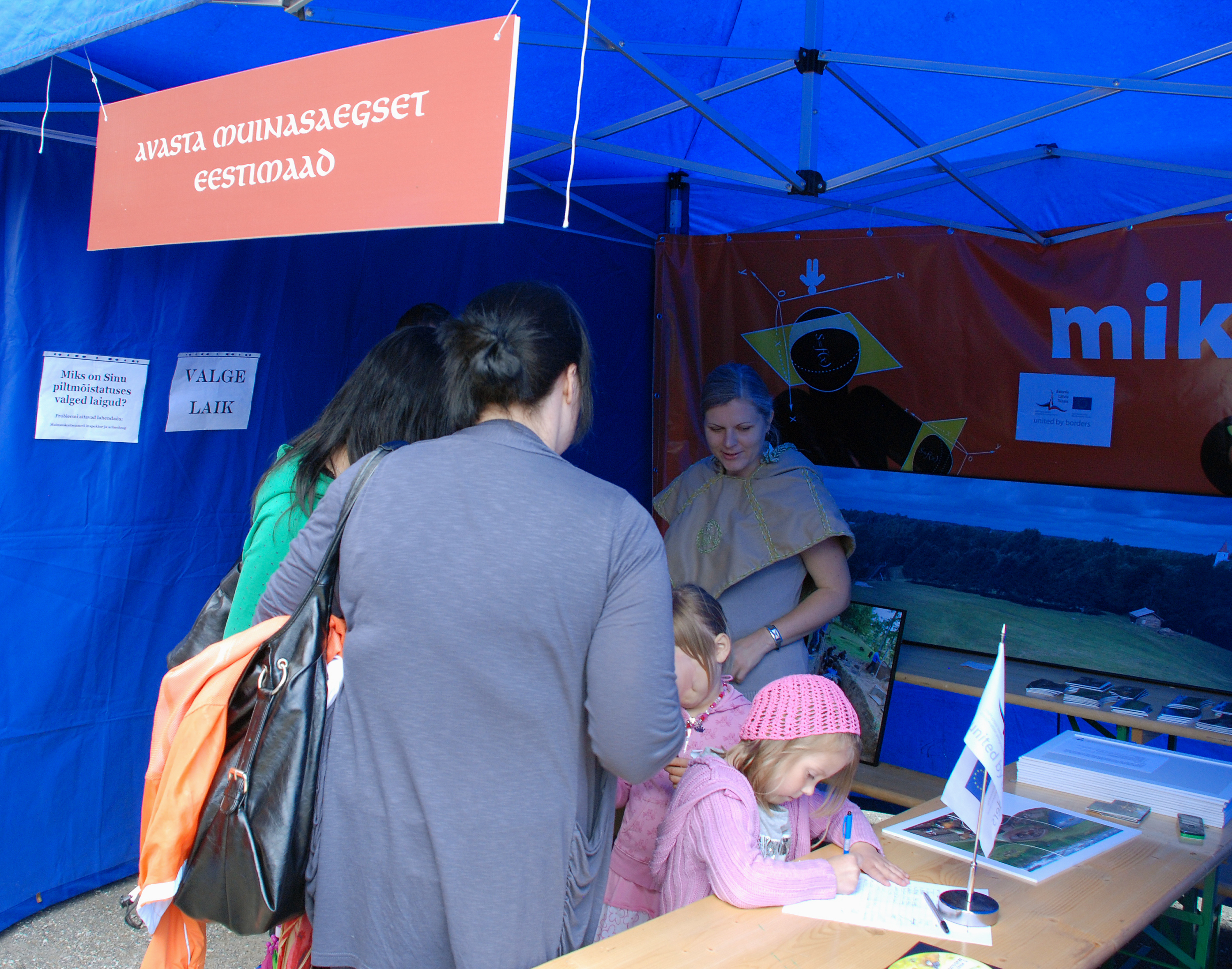
Important activities are information days and schoolings for municipalities, schools, teachers, students and public, visibility actions and a broad publishing programme for the public. New tourist routes involving archaeological sites will be developed.
During the course of the project a new Information and Resource Centre „Cross-border Archaeological Heritage Protection Network“ will be developed. It will join professional associations with socially active people and will create preconditions for new joint projects
During the 1st month the partners have already had 2 organizational meetings, one in Tartu (Estonia), one in Riga (Latvia), laying the grounds for the cooperation and developing the whole the framework.
Share the post "Press release"