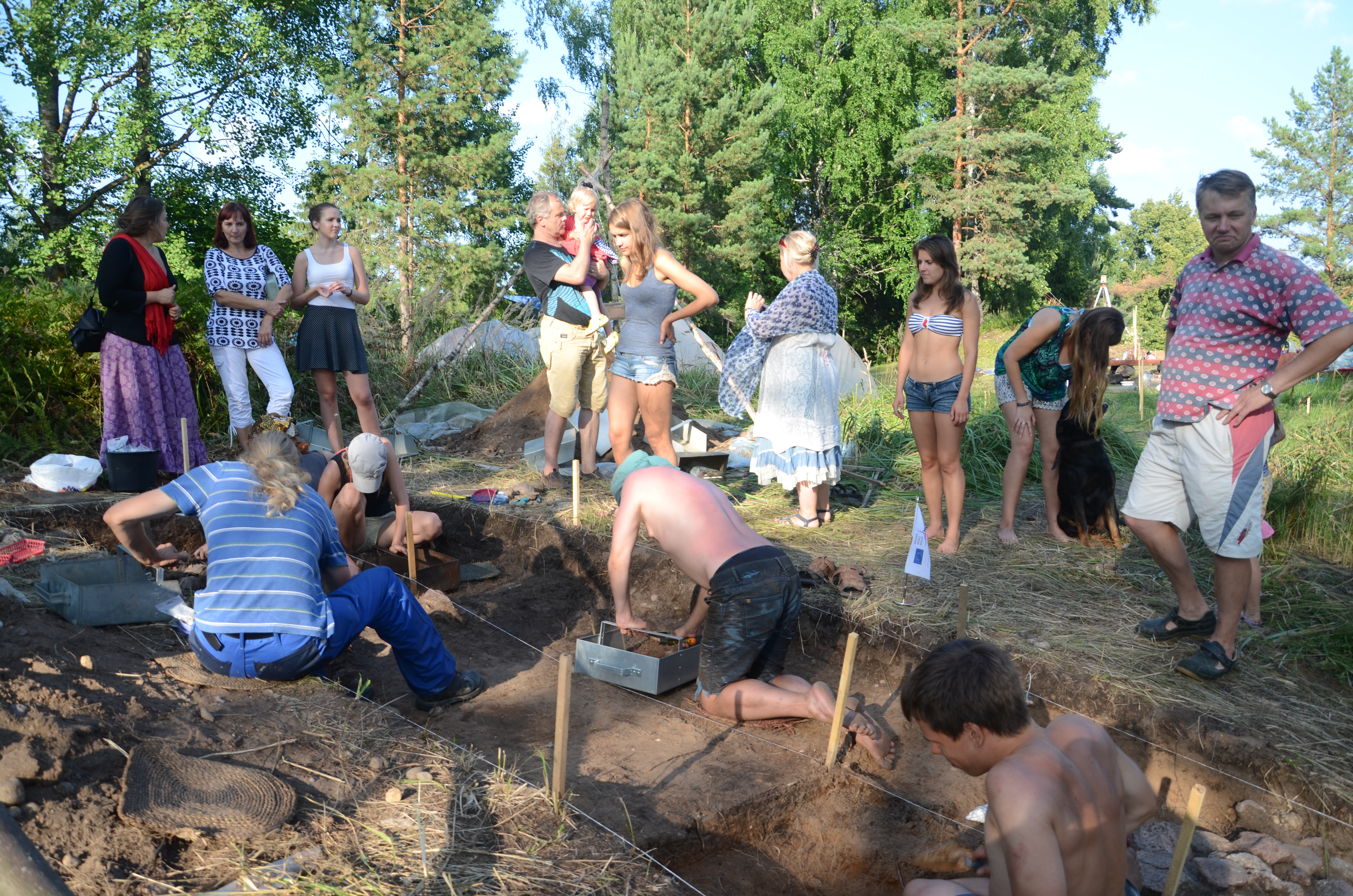
In July and August the University of Tartu carried out excavations on the hill fort of Mõrgi Kuningamägi (King’s Hill) in Võrumaa district, ca. 8 km north-east of Võru. The hill fort lies in the distance of ca. 4 km from Kääpa village (with several barrows from the 2nd half of the first millennium AD) and belongs to the same period.
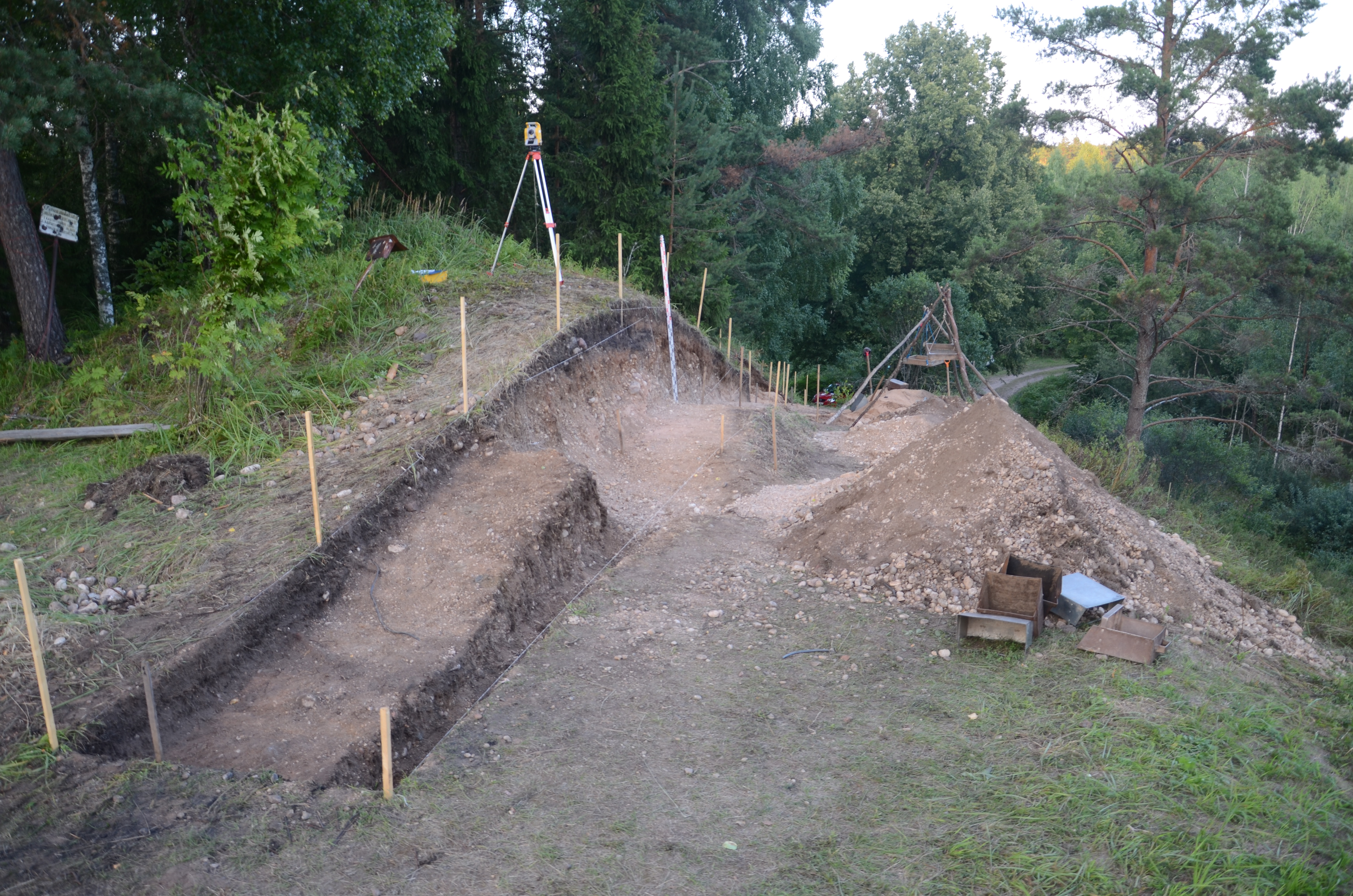
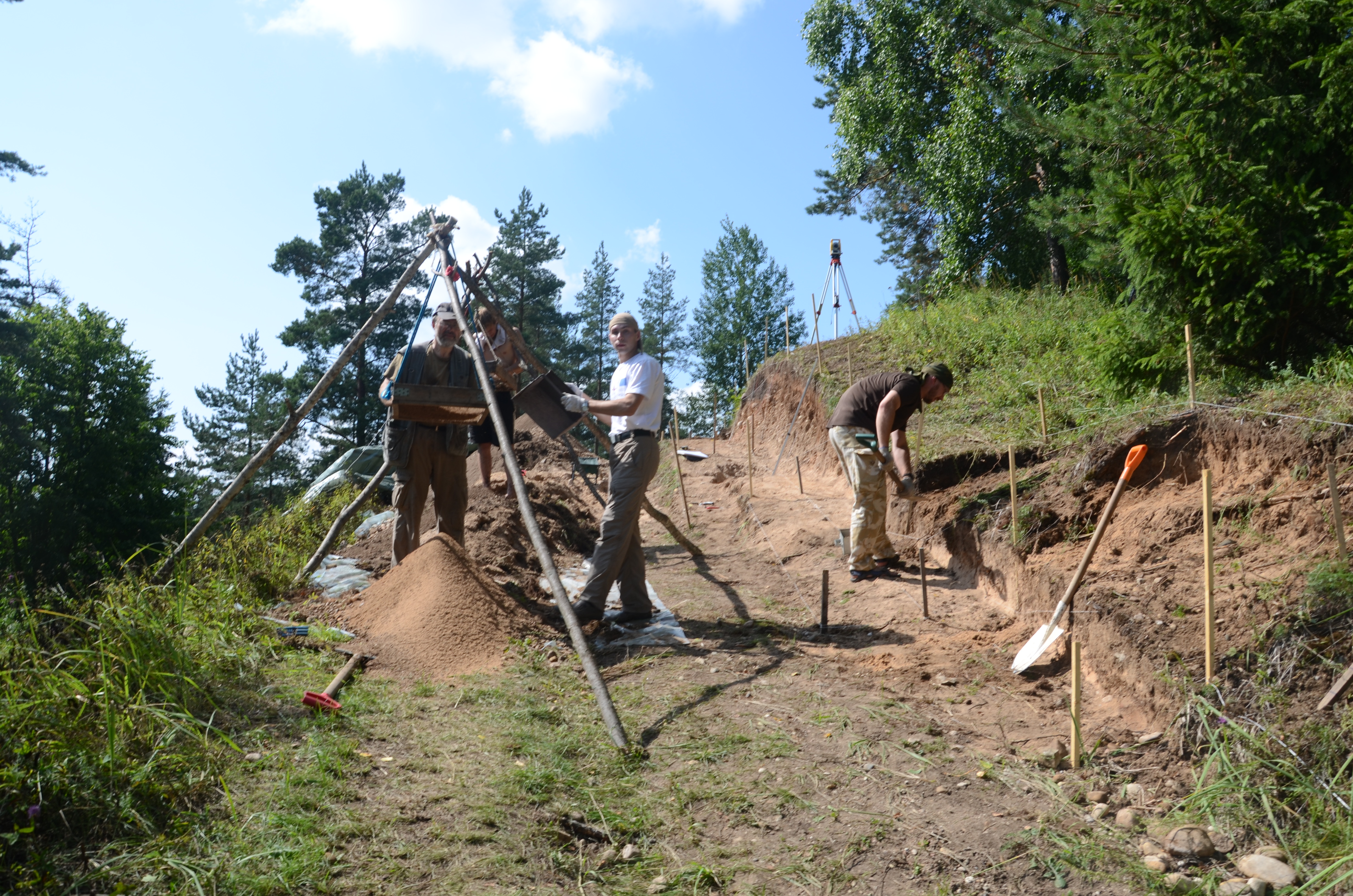
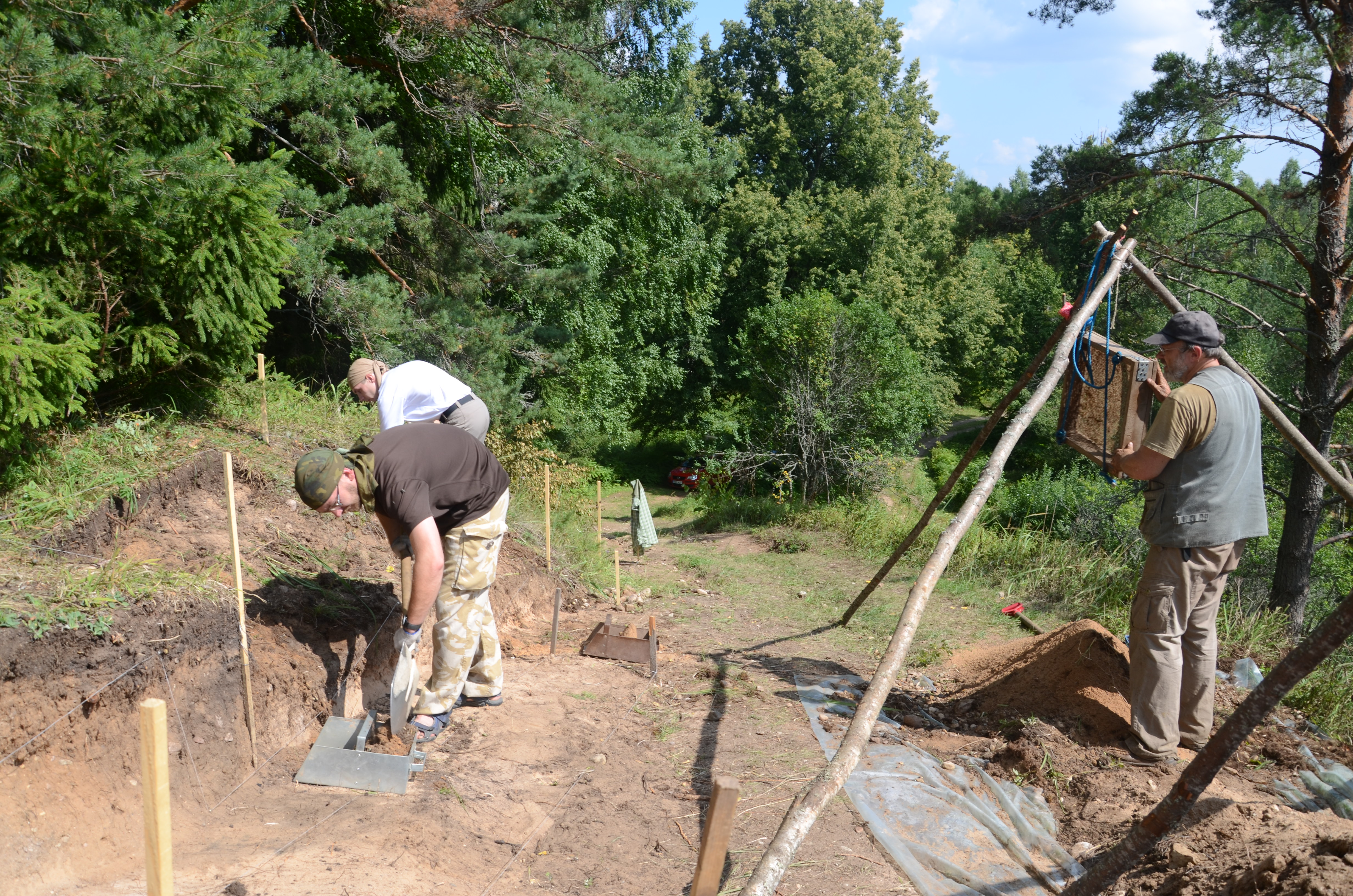
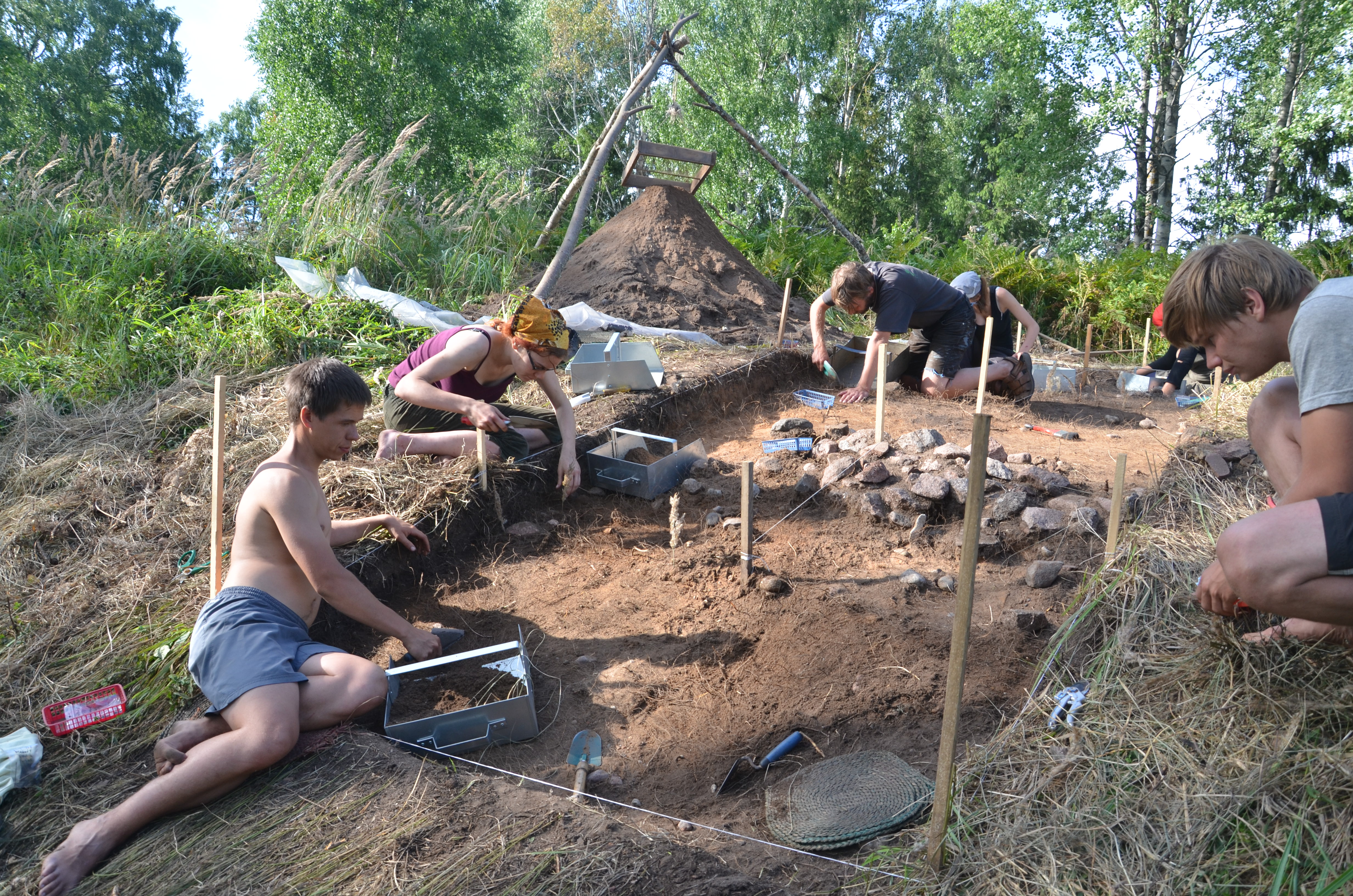
The main object of investigations was the main rampart of the stronghold where works took place close to the former gateway passage, greatly damaged by bulldozer works. During the works the section of the rampart was opened beside the present way to the fort plateau. Two construction and use stages could be observed in the rampart. The first, earlier stage was reflected by intensive layer of charred defence constructions. The ashes were later covered by a layer of sand and gravel there was a cultural layer containing some hand-made pottery and burnt stones on top of the rampart’s second stage.
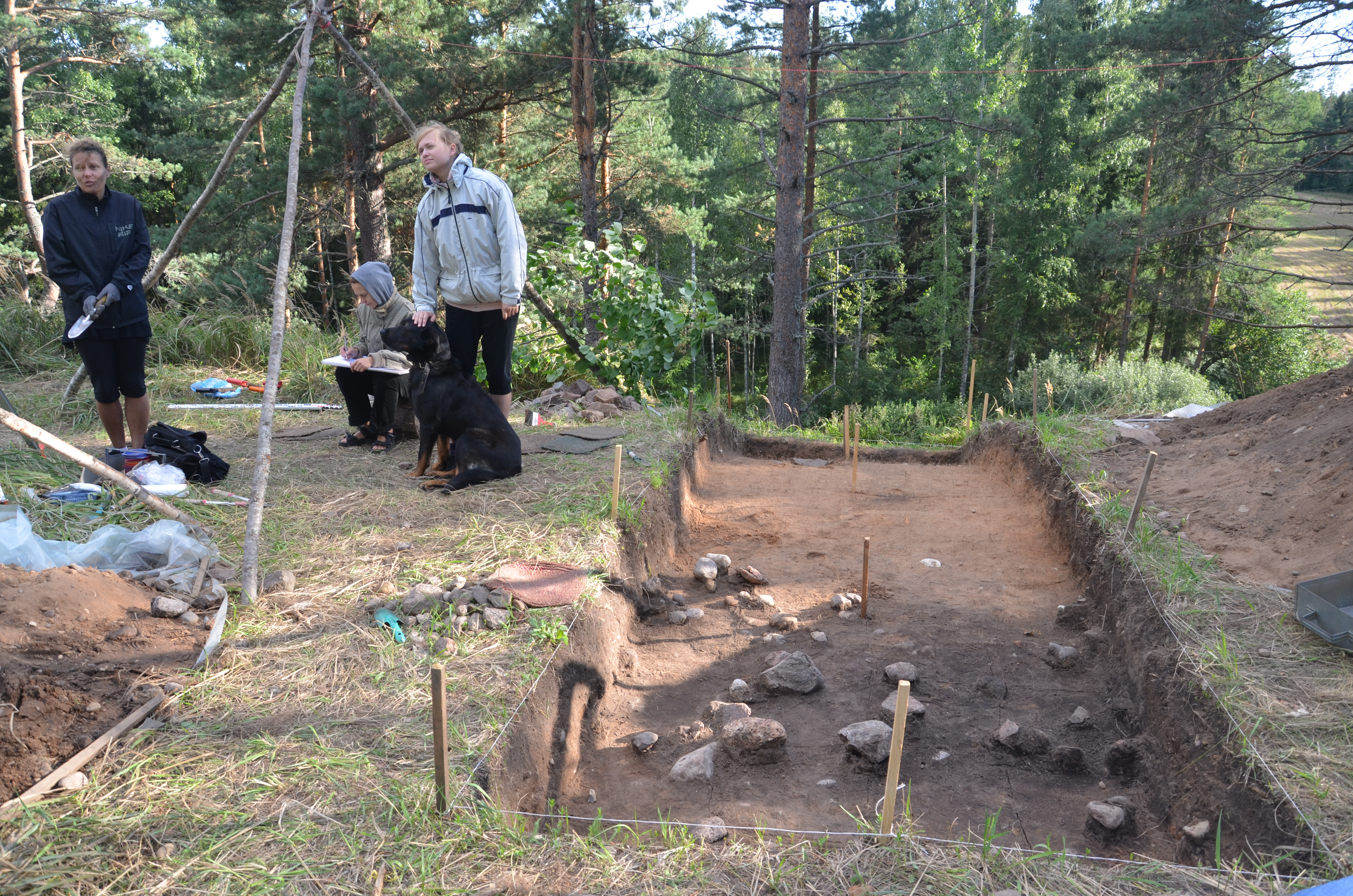
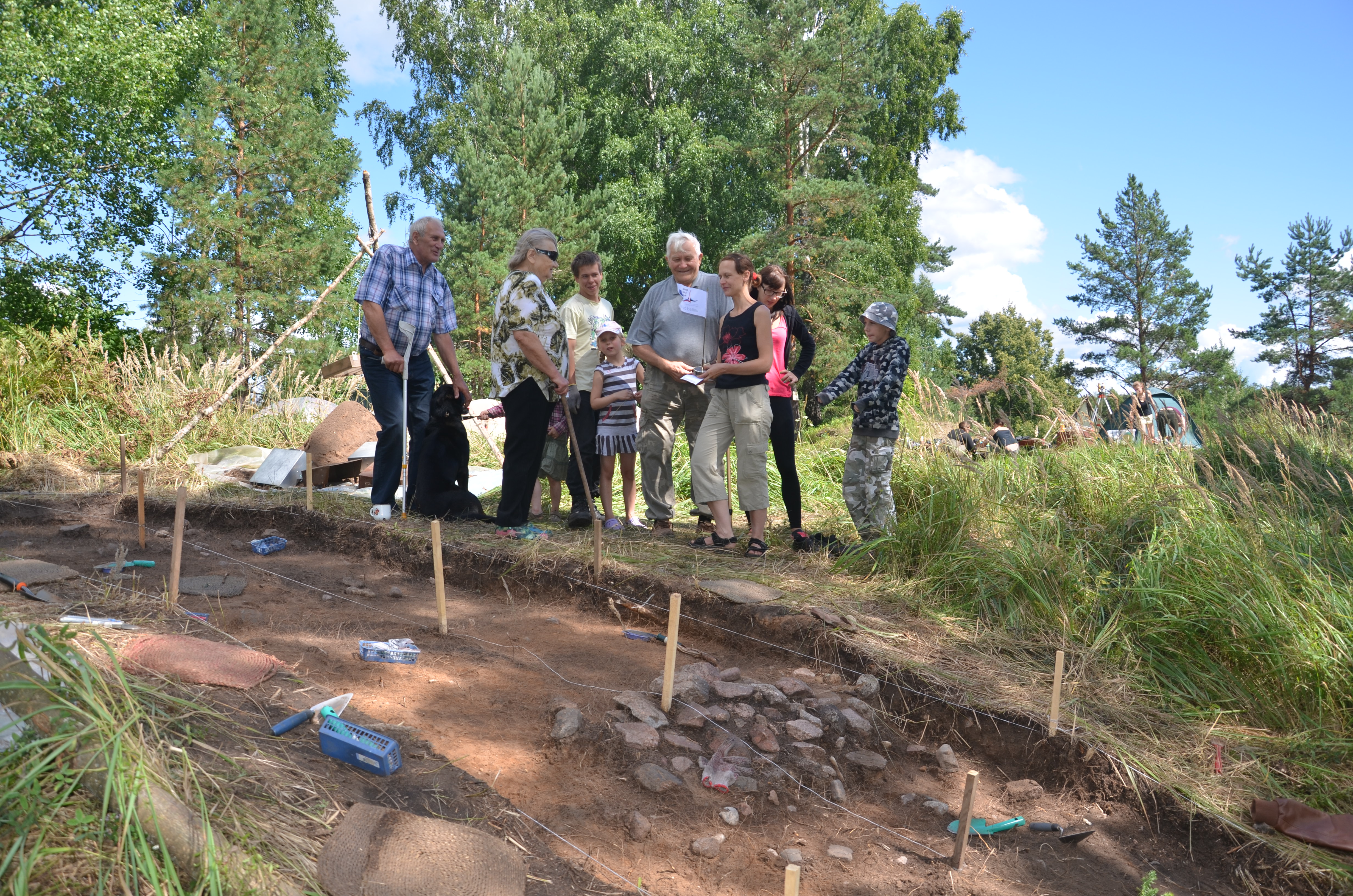
Another plot was opened on the plateau of the fort. The thin cultural layer contained mainly hand-made pottery but also a sherd of wheel-thrown vessel, indicating to the final use of the site in the 11th century were found. When the hill fort was founded, extensive earthworks had taken place – a lot of sand was added to the edge of the hill to make its plateau broader. Also remains of burnt timber defense wall – a post hole and a charred brand from the fortifications were found. The taken radiocarbon samples will provide more exact information about the chronology of the site. Excavations were visited by the representatives of Partner 7 – Pskov Region Archaeological Centre.